

















Fact-checked: composition and sources on our Facts & evidence page.
- 4.9/5 from over 5,000 reviews
- Lifetime warranty
- Ships within 48 h
- Free shipping
What actually makes a pan "healthy" isn't a marketing line, it's a material question: coated or uncoated, and what that surface is really made of. Here's the honest comparison of stainless steel, cast iron, and titanium.
The essentials in 30 seconds
- A healthy pan has no coating that can wear down, flake, or release PFAS over time
- Stainless steel, cast iron, and pure titanium are all uncoated, non-stick-coating-free options
- Titanium cooking surfaces scratch like any metal, but scratches are cosmetic and release nothing harmful
- Uncoated pans need preheating and fat to work well, that's the real trade-off, not a flaw
- Forneau's cooking surface is 100% pure titanium grade 1, no coating, no PFAS, PFOA, or PTFE
What actually makes a pan "healthy" isn't a marketing line, it's a material question: coated or uncoated, and what that surface is really made of. Here's the honest comparison of stainless steel, cast iron, and titanium.
The 30-second version
- A healthy pan means no coating that flakes off over time or releases PFAS
- Stainless steel, cast iron, and titanium are all uncoated options with no non-stick layer
- A titanium cooking surface scratches like any metal, scratches are purely cosmetic
- Uncoated pans need preheating and fat instead of an artificial non-stick effect
- Forneau pan: 100% pure titanium grade 1 at the surface, no PFAS, PFOA, or PTFE
What makes a pan healthy
A healthy pan doesn't release anything into your food that shouldn't be there when it heats up: no PFAS, no PTFE, no nickel in concerning amounts. The material of the cooking surface decides this, not the brand or the price tag. Three questions are enough to size up any pan: is the surface coated or solid? What metal is it actually made of? And what happens when it scratches or ages?
This is exactly where things split. A coating can be marketed as PFAS-free today and still flake off in a couple of years. A solid surface made of a single material doesn't have that problem at all, because there's nothing there to come loose in the first place. That's the core issue people keep running into: "the coating is already flaking off in chunks" isn't rare, it's the expected end point of any non-stick coating.
Good to know
An uncoated pan needs a bit of technique: preheat it and use enough fat, and nothing sticks. Titanium scratches like any metal, that's cosmetic and doesn't release anything harmful.

Coated or uncoated: the real difference
Coated pans carry a thin non-stick layer over a base material, usually aluminum. That layer wears down no matter how careful you are with it. Uncoated pans are made entirely of the metal you see and touch, there's no second layer that can separate from the base.
- Coating flakes off / wears down: the core problem with classic non-stick pans, even the "scratch-resistant" versions people still complain about on forums.
- Teflon, PTFE, PFAS: chemical families found in many coated pans, even though some brands now sell PFAS-free ceramic coatings instead.
- Ceramic coating: often marketed as the safer alternative, but it loses its non-stick properties just as fast, sometimes faster.
- Uncoated: cast iron, carbon steel, stainless steel, or titanium, there's no coating here to chip or peel.
So the real split isn't "coated bad, uncoated good." It's that a coating is, by design, a wear layer. An uncoated surface is what it is, from day one to the day you stop using it.
Stainless steel, cast iron, titanium: compared
All three are uncoated, PFAS-free options. They differ in weight, maintenance, and how long they actually last.
| Material | Coating | Weight | Care | What stands out |
|---|---|---|---|---|
| Stainless steel | None | Medium | Easy, dishwasher safe | Lasts forever, can stick at first |
| Cast iron | None (patina from seasoning) | Heavy | Needs seasoning, hand wash only | Great heat retention, heavy to handle |
| Titanium (surface) | None, solid | Light | Preheat, use a bit of fat | No PFAS/PFOA/PTFE, scratches like any metal |
Stainless steel gets recommended a lot in cookware forums because "you know what you're getting." Cast iron has its fans for heat retention, but it's heavy and needs seasoning, which is exactly where a lot of people run into trouble: "cast iron has never seasoned well for me." Titanium at the surface combines low weight with a cooking surface that isn't coated, but titanium scratches too, like any metal. Those scratches are purely cosmetic and don't release anything harmful, but that doesn't mean the pan should be sold as indestructible.
« Thinking of ditching nonstick, is a stainless steel cookware set worth the switch »
Reddit cookware forum
Nickel, aluminum, PFAS: what actually gets into food
Not every metal used somewhere in a pan automatically ends up in your food. What matters is what the cooking surface directly touches.
- PFAS/PTFE/PFOA: generally controlled when a non-stick coating is intact, but a real problem once it flakes, exactly the pattern people describe when a coating starts chipping.
- Nickel: can leach in trace amounts from certain stainless steel alloys, mostly relevant for people with a nickel allergy.
- Aluminum: a concern when exposed directly as the cooking surface (uncoated aluminum), since it can react with acidic foods. Pans with an aluminum core under a sealed surface (stainless steel or titanium) don't have this direct contact.
- Pure titanium: considered inert, with no coating to wear away since the surface itself is the metal.
Cooking in an uncoated pan: preheat, fat, heat
Uncoated pans, whether stainless steel, cast iron, or titanium, need a different technique than non-stick pans. That's not a downside to hide, it's a fact that belongs in any honest buying decision.
- Preheat: the pan needs to reach the right temperature before food goes in. Some people use the water bead test to check.
- Use fat: a splash of oil or a bit of butter does the job a non-stick coating would otherwise fake with chemistry.
- Control the heat: medium to medium-high is usually enough, cranking it higher doesn't buy you anything.
Once that clicks, you get a cooking surface that holds up for years without anything flaking, peeling, or coming loose.
Care and dishwasher
Stainless steel usually handles the dishwasher without issue. Cast iron should be hand washed and lightly oiled afterward, or it rusts. A titanium pan cleans up easily too, with no coating to worry about flaking off, because there isn't one.
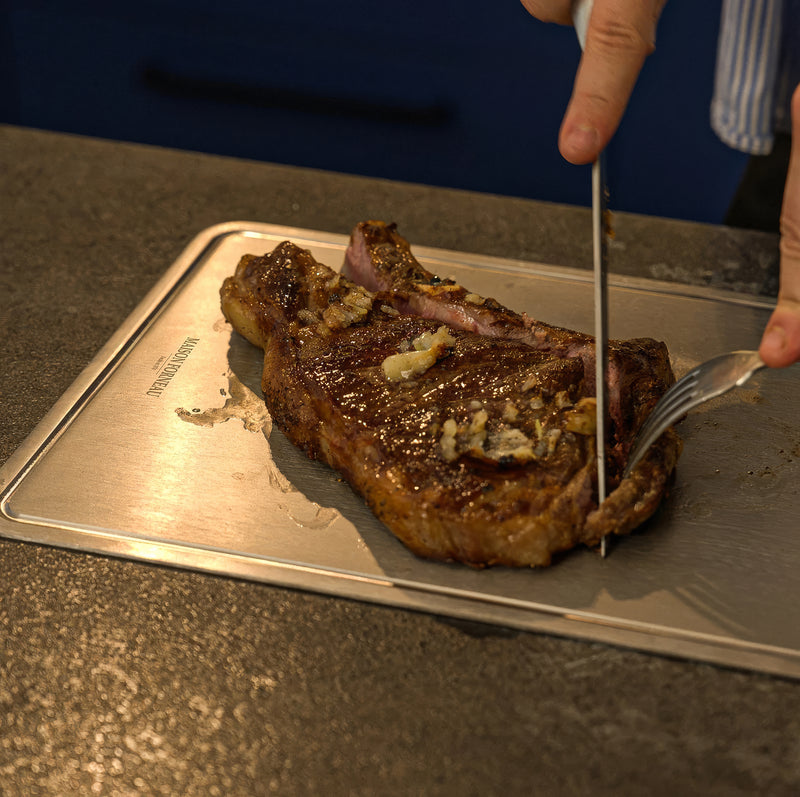
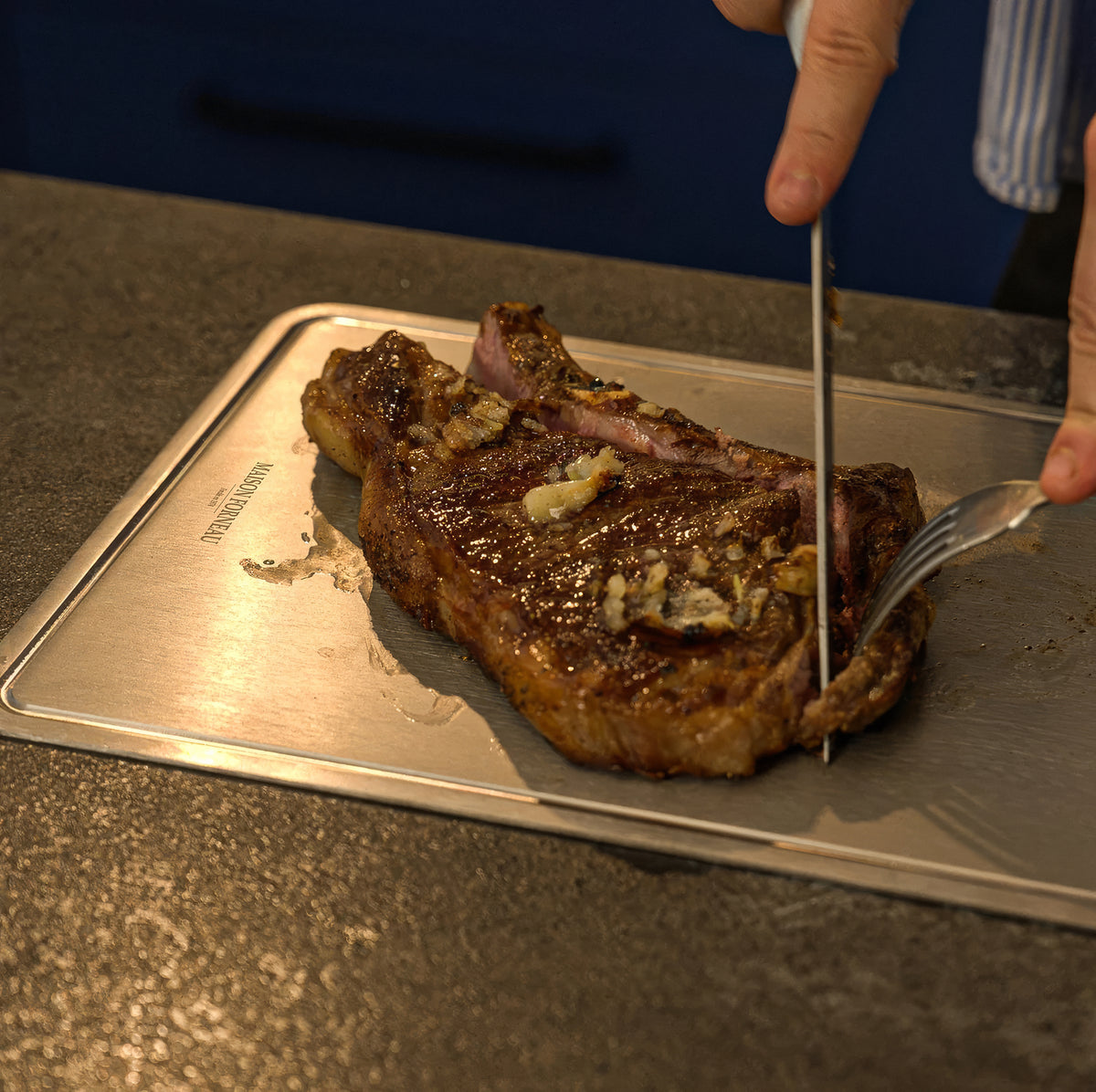
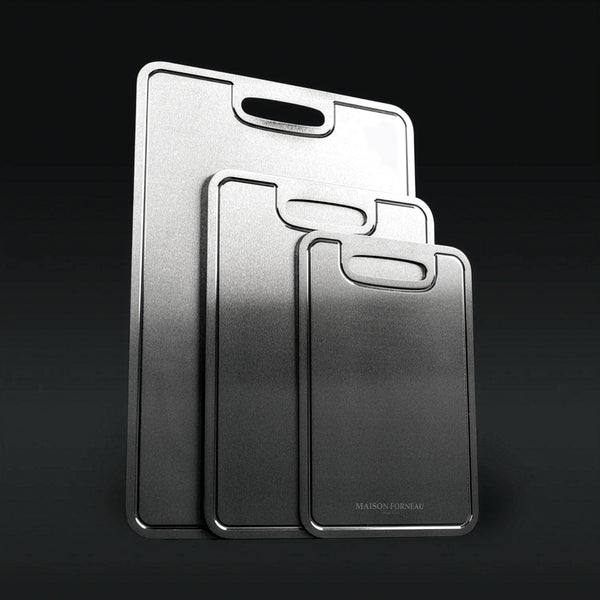
With Forneau specifically: lifetime warranty, induction-ready thanks to a stainless steel base, and the matching titanium cutting board is fully dishwasher safe.
The Forneau pan: pure titanium grade 1
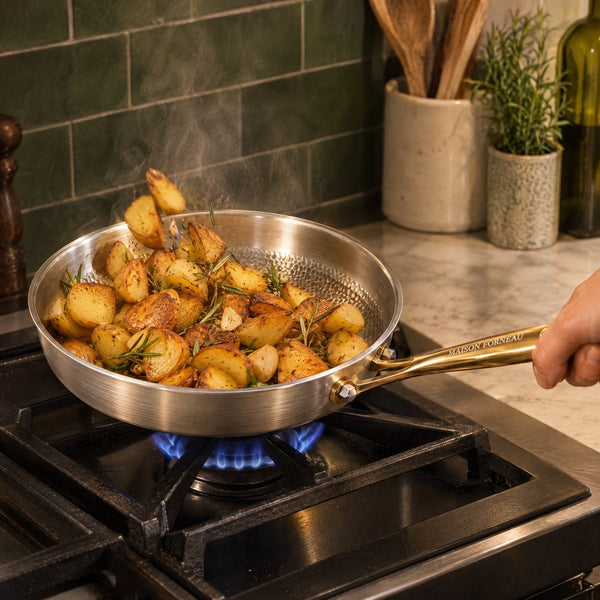
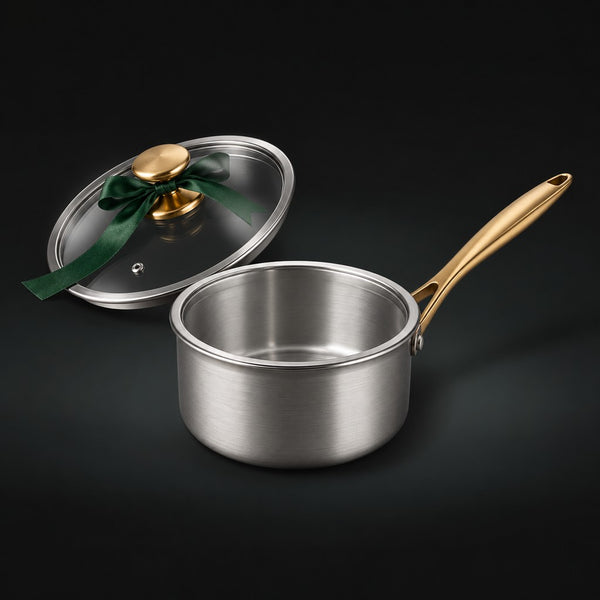
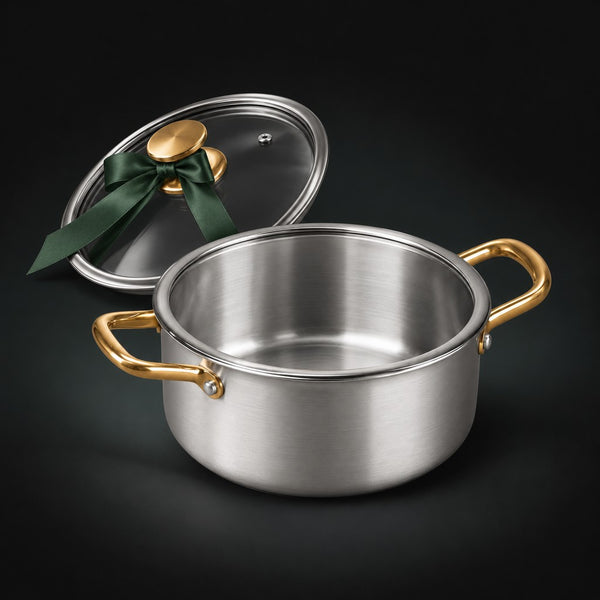
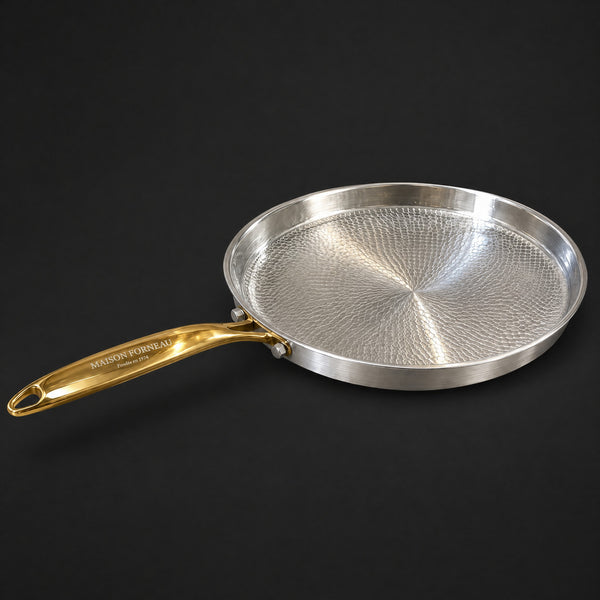
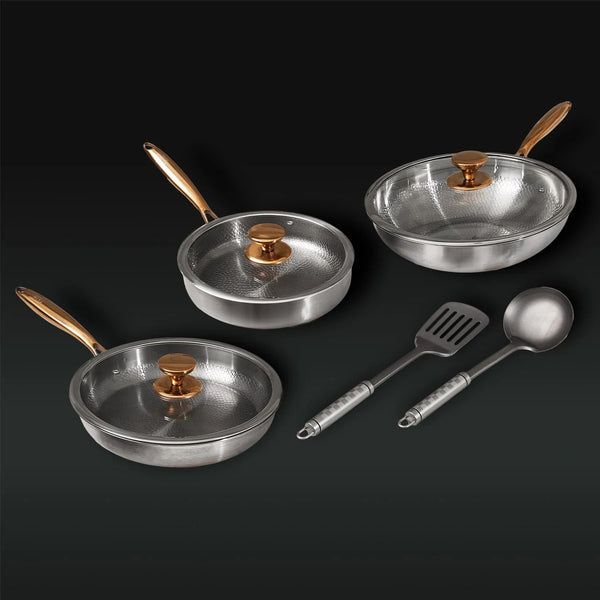
The Forneau pan has a cooking surface made of 100% pure titanium grade 1, not a coating, a full solid layer of that metal. There's nothing to flake, chip, or peel, because the surface itself is the material, not a thin film sitting on top of something else.
Underneath that titanium surface, three layers of recycled aluminum spread heat evenly, and a stainless steel base makes the pan induction-compatible. The result: an ultra-light pan with no PFAS, PFOA, or PTFE, designed in France, backed by a lifetime warranty.
The honest part: titanium scratches like any metal, that's purely cosmetic and doesn't change anything about the safety of the surface. And like any uncoated pan, it needs preheating and a bit of fat so nothing sticks. Compared to non-stick pans marketed as "titanium-reinforced," which wear down like any coating eventually, that's the one trade-off that comes with a cooking surface made of pure titanium grade 1, uncoated.
More on the material choice on the titanium pan page, the actual product at Signature Pan in Pure Titanium, more background on the coating question in Pan Without Coating: The Titanium Alternative, and all test reports at Facts and Evidence.
Frequently asked questions
Which pan is the healthiest?
The healthiest pans are uncoated ones, where nothing can flake off: stainless steel, cast iron, or a pan with a cooking surface made of pure titanium grade 1, uncoated. What matters is the absence of a non-stick coating that wears down over time.
Are uncoated pans healthier?
Yes, because there's no coating that can flake off or release PFAS. In exchange, they need a bit more technique when cooking: preheating and using enough fat.
Is titanium safe in pans?
Pure titanium is considered inert and is used in medical devices, it contains no PFAS, PFOA, or PTFE. A cooking surface made of 100% titanium grade 1 isn't a coating, it's a solid layer of material that can scratch without releasing anything harmful.
Does a titanium pan work on induction?
Yes, as long as it has a stainless steel base that makes it induction-compatible. Titanium itself doesn't conduct heat well, so additional layers of aluminum and stainless steel handle heat distribution and induction compatibility.
