


Non-Stick Coating / Teflon
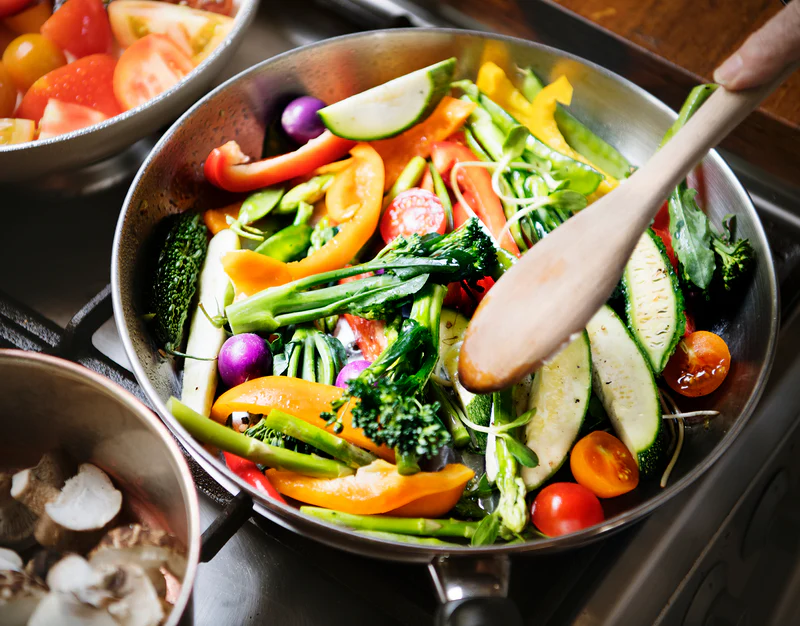
The worst type of surface. Teflon releases toxic PFAS chemicals (forever pollutants) linked to cancer and liver damage. The coating chips over time and is not heat resistant.
f


« J'étais sceptique sur le titane pour la cuisine quotidienne. Aujourd'hui c'est ma poêle de référence à la maison comme au labo. La maîtrise de la chaleur est bluffante. »

Thomas R.
Chef pâtissier, 12 ans d'expérience
« Ce que je voulais : du sain pour mes enfants, sans PFAS. Ce que j'ai trouvé : une poêle qui dure et qui cuit mieux que tout ce que j'avais avant. Bonus inattendu. »

Sophie B.
Maman de 3 enfants
« J'ai équipé toute ma cuisine en Forneau. Mes commis ne reviennent plus en arrière. Garantie à vie tenue, service client français impeccable. »

Antoine L.
Restaurateur, Lyon


« Je cuisine 50 heures par semaine. Après 6 mois sur ma poêle Forneau, zéro rayure, zéro accroche. Aucune autre marque n'avait tenu plus de 3 mois chez moi. »

Élodie M.
Cheffe à domicile
OFFRE EXCLUSIVE
Grattez le ticket pour découvrir votre récompense personnelle
−15%
sur votre première commande
Maison Forneau®
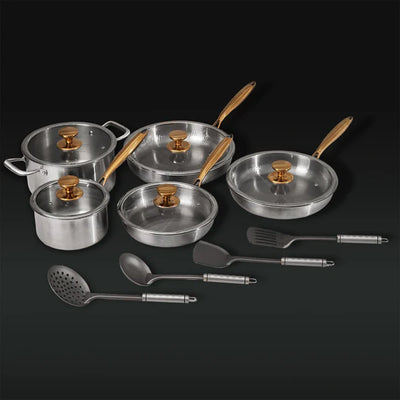
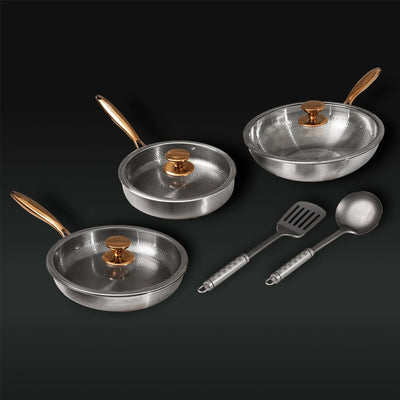
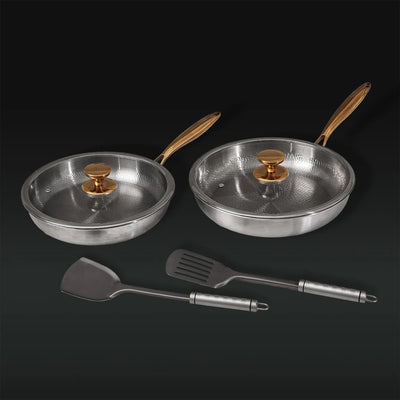
The Only Non-Stick Pan That Doesn’t Contaminate Your Food
No coating. No PFAS. No PTFE. Just pure titanium.
99.98% Pure Titanium
Designed for French Cooking
Maison Forneau® Lifetime Warranty
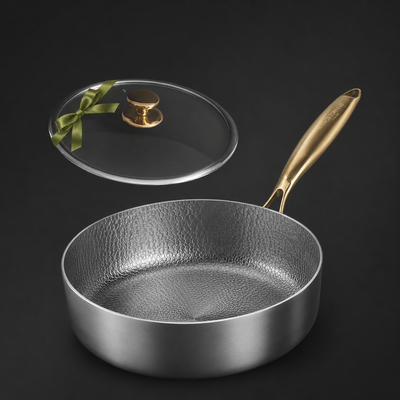
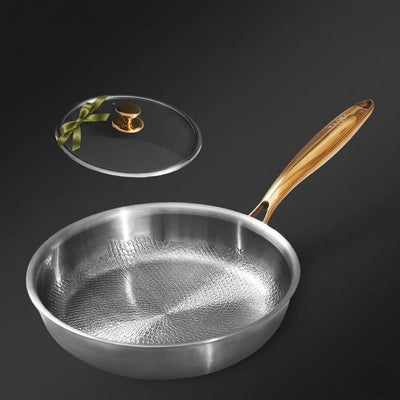
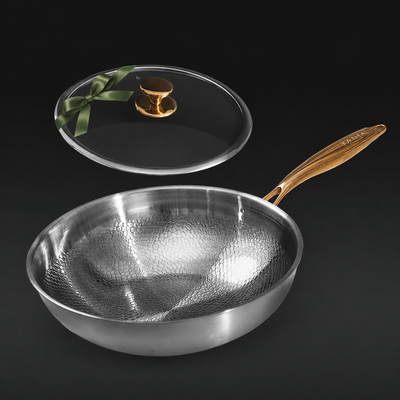
| Depth | Diameter | Length | |
|---|---|---|---|
| Small | 7.5" | 11.4" | 0.24" |
| Standard | 9.1" | 13.4" | 0.24" |
| Large | 11.8" | 18.1" | 0.24" |
Garanti à vie
Sans condition
100% Sans toxine
0 PFAS, 0 PFOA
Livraison offerte
Expédié sous 48h
Receive our complete guide with your purchase + 50 exclusive Forneau recipes
Les PFAS sont des "produits chimiques éternels" utilisés pour améliorer la durabilité des produits, très répandus dans notre environnement et liés au cancer, aux perturbations hormonales et à d'autres risques pour la santé.
Les résultats reflètent l'analyse en laboratoire des échantillons soumis au moment des tests. Les résultats ne garantissent pas les performances futures. L'étiquetage et la conformité réglementaire restent sous la responsabilité de la marque.
The worst type of surface. Teflon releases toxic PFAS chemicals (forever pollutants) linked to cancer and liver damage. The coating chips over time and is not heat resistant.
Requires a lot of oil to prevent food from sticking, reacts with acidic foods and alters the taste. Difficult to clean, high maintenance.
Very fragile coatings: once chipped, they expose a toxic aluminum base. Rarely last more than 1 to 2 years. Expensive to replace and unreliable in the long term.
Extremely heavy and high-maintenance: cast iron rusts easily without regular seasoning and does not handle acidic foods well, which can damage the surface.
Rusts easily, requires constant seasoning, and reacts with acidic foods. Neither non-stick nor easy to maintain. Really not worth it for everyday cooking.
Unlike competitors who use cheap, toxic alloys, at Forneau®, we use only the purest materials for your safety. Every product is made from Grade 1 Titanium (lab-certified at 99.98%) — the purest form available, also known as medical-grade titanium. It is also compliant with food-contact safety standards.
Your safety is guaranteed with Forneau®
We are the only company in the world offering certified pure titanium cookware — no PFAS, no toxins, no coating.
Lifetime warranty, no conditions.


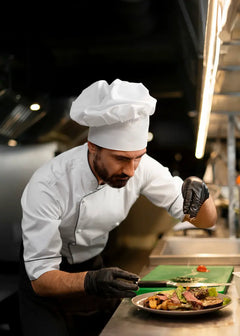
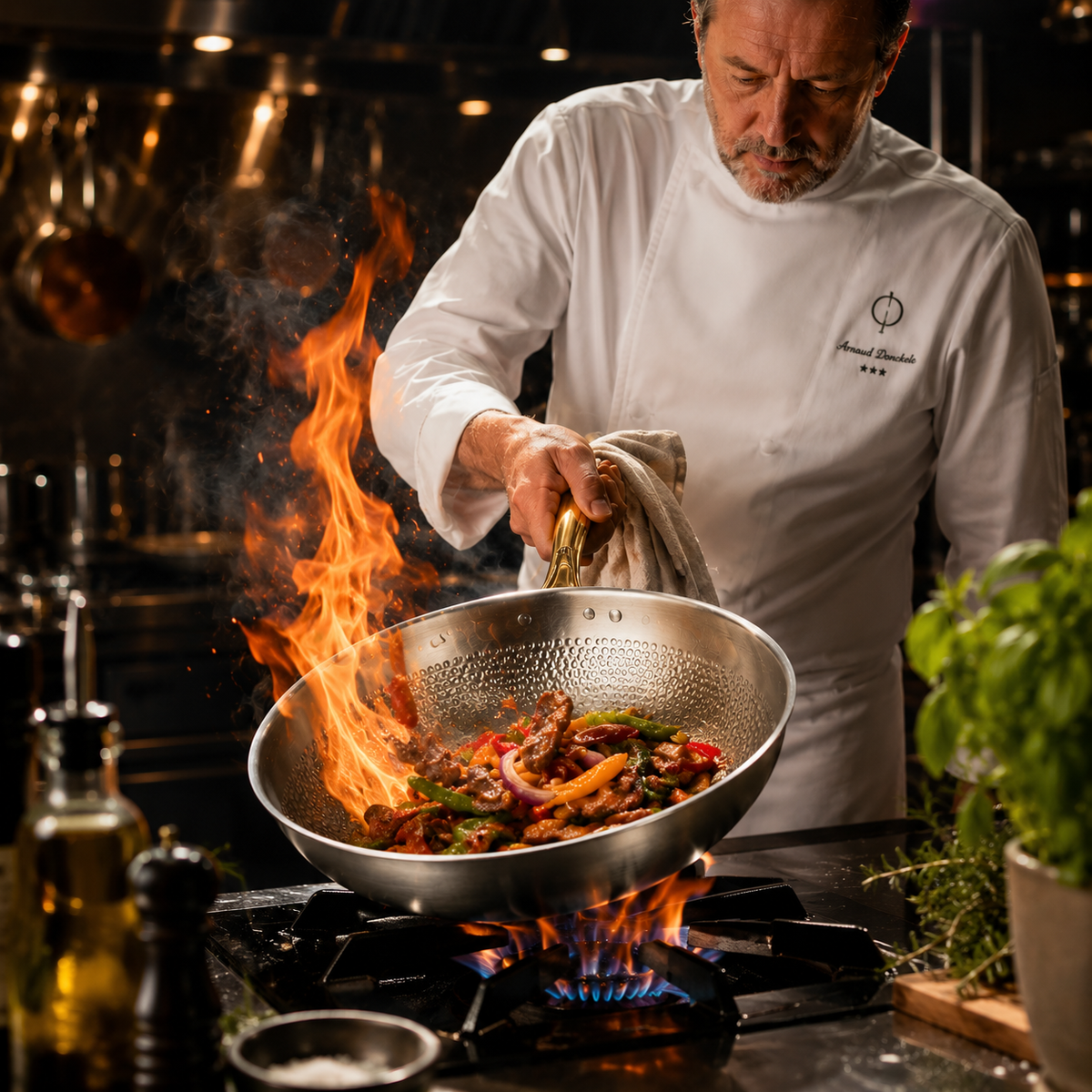
Every generation passes down knowledge. Ours is an uncompromising standard at the table. At Forneau, our chef embodies that tradition — hands that have learned to respect fire, metal, and what goes on the plate. Titanium is not a marketing choice. It’s the only material worthy of this kind of cooking.
People think it’s “just a pan”…
But it’s the tool you use every day in the kitchen. It changes everything.
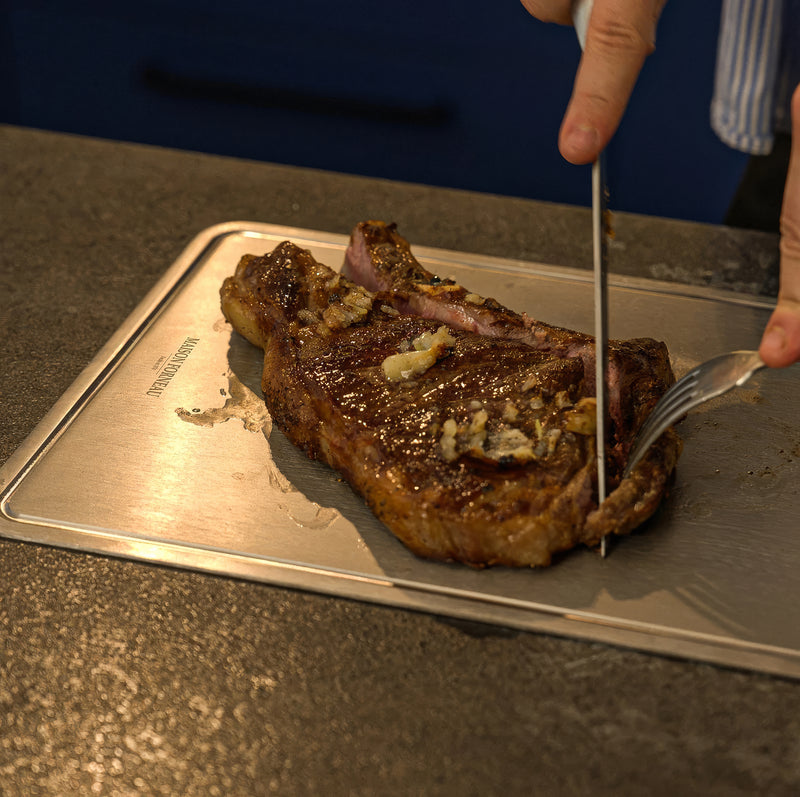
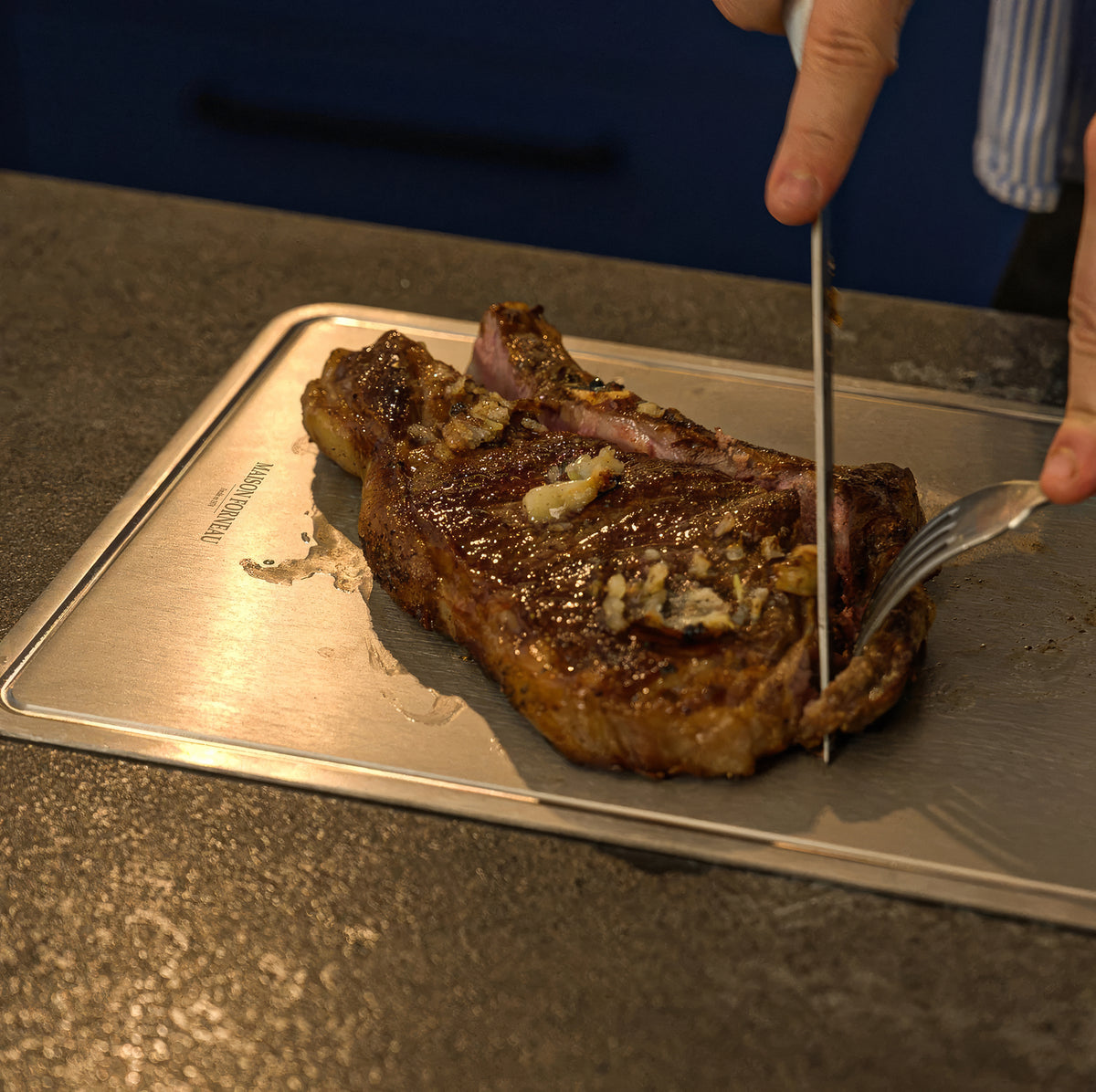
A good pan changes everything. Just look at that sear!!
@chefmartin
Chef étoilé
From toxin and bacteria risks to demanding maintenance, these “outdated” cookware materials simply no longer measure up.
The worst type of pan coating there is. Teflon and most non-stick coatings release PFAS, these “forever chemicals” linked to cancer and liver damage. The coating chips over time, cannot withstand high temperatures, and exposes your food to toxins.
Requires a lot of oil to prevent food from sticking, and reacts with acidic foods — which alters flavor and may release metals in low-quality pans. Difficult to clean and high maintenance.
Ceramic coatings are very fragile. Once chipped, they expose a toxic aluminum base. Most only last 1 to 2 years before losing their non-stick properties. Expensive to replace and unreliable in the long term.
Incredibly heavy and demanding to maintain. Cast iron rusts easily without regular seasoning and does not handle acidic foods well, which damage the surface and alter flavors.
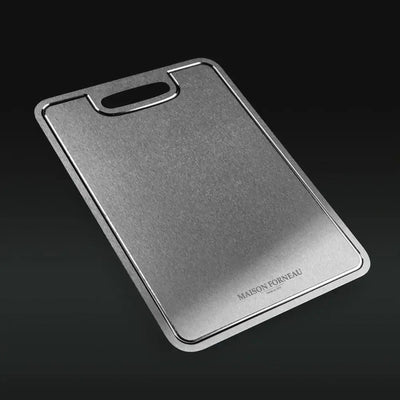
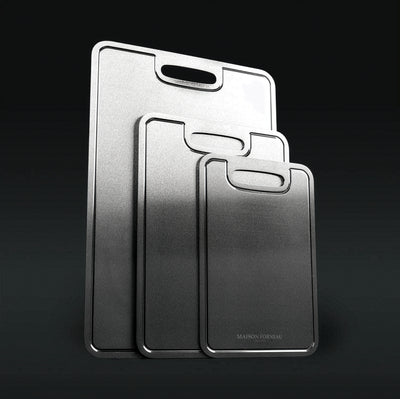
Contains BPA and other harmful chemicals that leach into your food with every cut. A direct risk to your hormones, gut health, and brain.
Not hygienic. Wood is porous: it absorbs raw juices and moisture. Knife marks trap bacteria, making proper sterilization nearly impossible. Mold and contamination become almost inevitable over time. Wood also absorbs odors and stains easily.
Same risks as solid wood, but worse: these boards are assembled from small glued blocks using industrial adhesives containing formaldehyde, a carcinogenic compound. Not just unhygienic — genuinely dangerous.
These materials are extremely hard and dull your knives very quickly. Very heavy to handle and impractical for everyday use.
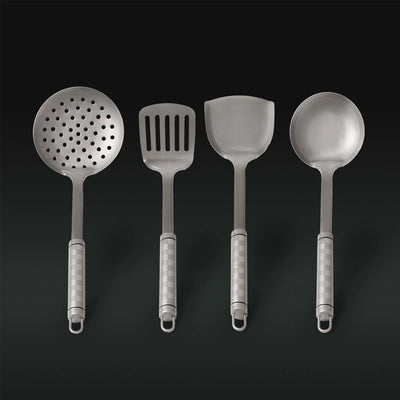
Plastic spatulas have a very low melting point and release toxic compounds with every use. Serious health risks: digestive issues, hormonal disruption, and cancer.
Even high-end silicone eventually degrades with heat and releases toxic compounds. Most silicone spatulas sold online or in stores contain harmful fillers like BPA and phthalates, which become toxic during cooking.
Not hygienic. Wood allows bacteria to settle into grooves and cracks, even invisible ones, which can contaminate your food over time. It also absorbs odors and stains easily.
Most are made from low-grade alloys that release heavy metals like chromium and nickel into your food when heated. They are also heavy and can damage the surface of your cookware.
Rusts easily, requires constant seasoning, and reacts with acidic foods like tomatoes, peppers, or lemon — damaging the surface and altering flavor. Not non-stick, not low-maintenance, and clearly not built to last.
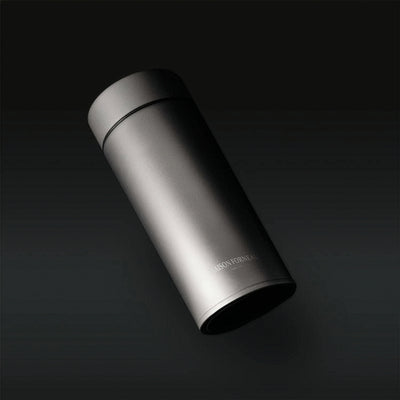
The worst type of water bottle possible. Even “BPA-free” models release hormone-disrupting compounds, especially when exposed to heat. Moisture around the spout creates an ideal environment for bacteria and mold growth.
Durable, but stainless steel is not antibacterial like titanium. Bacteria from your mouth can grow inside. Frequent cleaning is essential: studies show that 87% of these bottles contain harmful bacteria such as E. coli.
Aluminum water bottles are always lined with synthetic coatings to prevent the metal from reacting with liquids. These coatings degrade over time and release chemical compounds into your water. Like others, they also promote the growth of bacteria and mold.
Glass does not release chemicals, but it offers no antibacterial protection. Bacteria from your mouth can still multiply on it. It is also fragile: breaks easily and is impractical for everyday use.