











Fact-checked: composition and sources on our Facts & evidence page.
- 4.9/5 from over 5,000 reviews
- Lifetime warranty
- Free returns
- Free shipping
HexClad, Our Place, and titanium pans all claim to solve nonstick without the downsides. Here's what their actual materials are made of, and what that means for how long they last.
The essentials in 30 seconds
- HexClad's hybrid coating is PTFE-based nonstick reinforced with ceramic titanium particles, not a titanium surface
- A 2023 class action against HexClad settled for $2.5 million over non-toxic and coating durability claims
- Our Place's ceramic Always Pan loses its nonstick release over time like most ceramic coatings do
- Forneau's cooking surface is 100% pure grade 1 titanium, a solid layer with nothing to flake or chip off
- Titanium scratches cosmetically but releases nothing, unlike coatings that wear down and eventually fail
Why this comparison keeps coming up for pan buyers
Search "titanium pans vs hexclad vs our place" and you'll find the same questions repeating on Reddit and cookware forums: is HexClad's "hybrid" coating actually non-toxic, does Our Place's ceramic really stay nonstick, and is titanium just another marketing word on a box? These three brands get compared constantly because they're all pitched as the next step after Teflon and bare stainless steel. The honest answer depends entirely on what's under the surface, not what's printed on it.
People aren't just shopping for a pan. They're trying to buy something once and stop thinking about it: a BIFL (buy it for life) piece of cookware that won't need replacing in two years because the coating wore out.
Good to know
Titanium is bare metal, so it needs a short preheat and a little oil to release food properly, especially for the first few cooks. In exchange, there's no coating to wear out, flake, or replace.

HexClad: the "hybrid" technology and what the lawsuit revealed
HexClad markets its pans as a hybrid of stainless steel and nonstick, with a laser-etched surface and a coating reinforced by ceramic and titanium particles. The nonstick layer itself is PTFE-based. That's the detail a lot of buyers miss: the "titanium" in HexClad's name refers to particles mixed into a Teflon-style coating, not a titanium cooking surface.
In 2023, HexClad faced a class action alleging the company had marketed its cookware as "non-toxic" and "metal utensil safe" while using a PTFE coating that wears down with normal use. The case settled, with HexClad agreeing to pay into a settlement fund without admitting wrongdoing. For buyers, the takeaway isn't the dollar amount, it's what the settlement confirms: a coating is a coating, no matter how it's branded, and coatings degrade.
- PTFE-based nonstick layer, reinforced with ceramic/titanium particles
- Laser-etched hybrid surface designed to combine searing and release
- 2023 class action over non-toxic marketing claims, settled for $2.5 million
- Lifetime warranty advertised, but warranty claims on coating wear are frequently disputed
Our Place: the Always Pan and the ceramic durability question
Our Place built a brand around the Always Pan, a ceramic-coated piece of cookware sold as a cleaner alternative to Teflon. Ceramic coatings are PTFE-free at launch, which is a real point in their favor. But ceramic nonstick has a well-documented limit: it loses effectiveness with heat cycling and use, same as any other coating.
This is the pattern buyers describe again and again across cookware forums: a ceramic pan releases food beautifully for the first few months, then sticking creeps back in, and the release they paid for quietly disappears. Unlike a PTFE coating, ceramic doesn't flake in visible chunks, so the failure is harder to notice until food is sticking on a pan that's supposedly nonstick.
- Ceramic (coated) surface, free of PTFE and PFOA at time of sale
- Nonstick performance known to degrade with heat and repeated use
- No metal layer underneath designed for long-term scratch resistance
- Replacement is the only fix once the ceramic loses its release
« HexClad falsely advertised, labeled, and marketed the non-stick coating... as "non-toxic" »
r/BuyItForLife
Pure grade 1 titanium: neither PTFE nor ceramic, a bare metal
Forneau's cooking surface is 100% pure grade 1 titanium. That's not a coating sprayed, laser-etched, or baked onto a base metal. It's a solid layer of titanium, with nothing underneath it to be exposed to once the surface wears. Below that cooking surface, three layers of recycled aluminum spread heat evenly, and a stainless steel base makes the pan work on induction. The titanium layer itself doesn't conduct heat especially well on its own, that job belongs to the aluminum core; titanium's role is to give you a surface that has no coating to lose.
Being bare metal, titanium doesn't behave like Teflon or ceramic. It needs a proper preheat and a bit of oil to release food cleanly, particularly eggs and fish. That's the one real trade-off, and it's worth saying plainly instead of hiding it. In exchange, titanium doesn't flake, doesn't shed PTFE, and isn't vulnerable to the slow fade that ceramic and hybrid coatings go through.
Titanium does scratch. It's a myth that titanium pans stay pristine forever, and we won't claim otherwise. What matters is that a scratch on a solid titanium surface is cosmetic. There's no coating underneath to expose, so nothing flakes into your food and nothing changes about safety. Compare that to a scratched HexClad pan or a ceramic pan that's lost its shine: on those, a scratch is a sign the coating itself is failing.
For a deeper material breakdown, see our comparison of titanium cookware brands and our guide to PFAS-free pans.
Comparison table: material, weight, induction, care
| Feature | HexClad | Our Place (Always Pan) | Forneau Titanium |
|---|---|---|---|
| Cooking surface | PTFE coating with ceramic/titanium particles | Ceramic coating | 100% pure grade 1 titanium, solid layer |
| Coating that can wear out | Yes | Yes | No coating, nothing to flake |
| PFAS/PTFE free | No (PTFE-based) | Yes at launch | Yes |
| Weight | Heavier, stainless core | Moderate | Ultra-light |
| Induction compatible | Yes | No (most versions) | Yes |
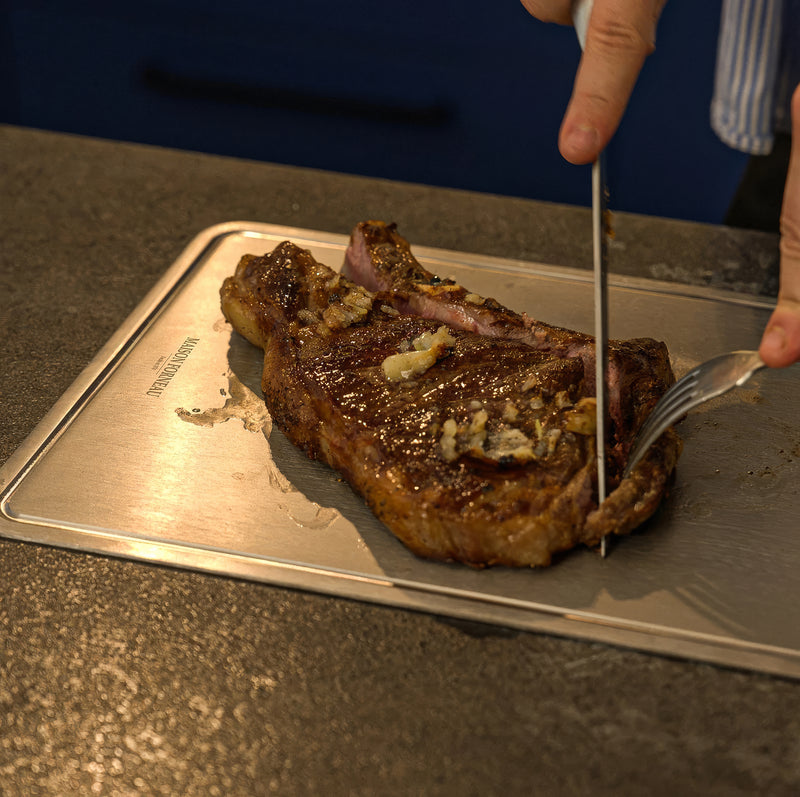
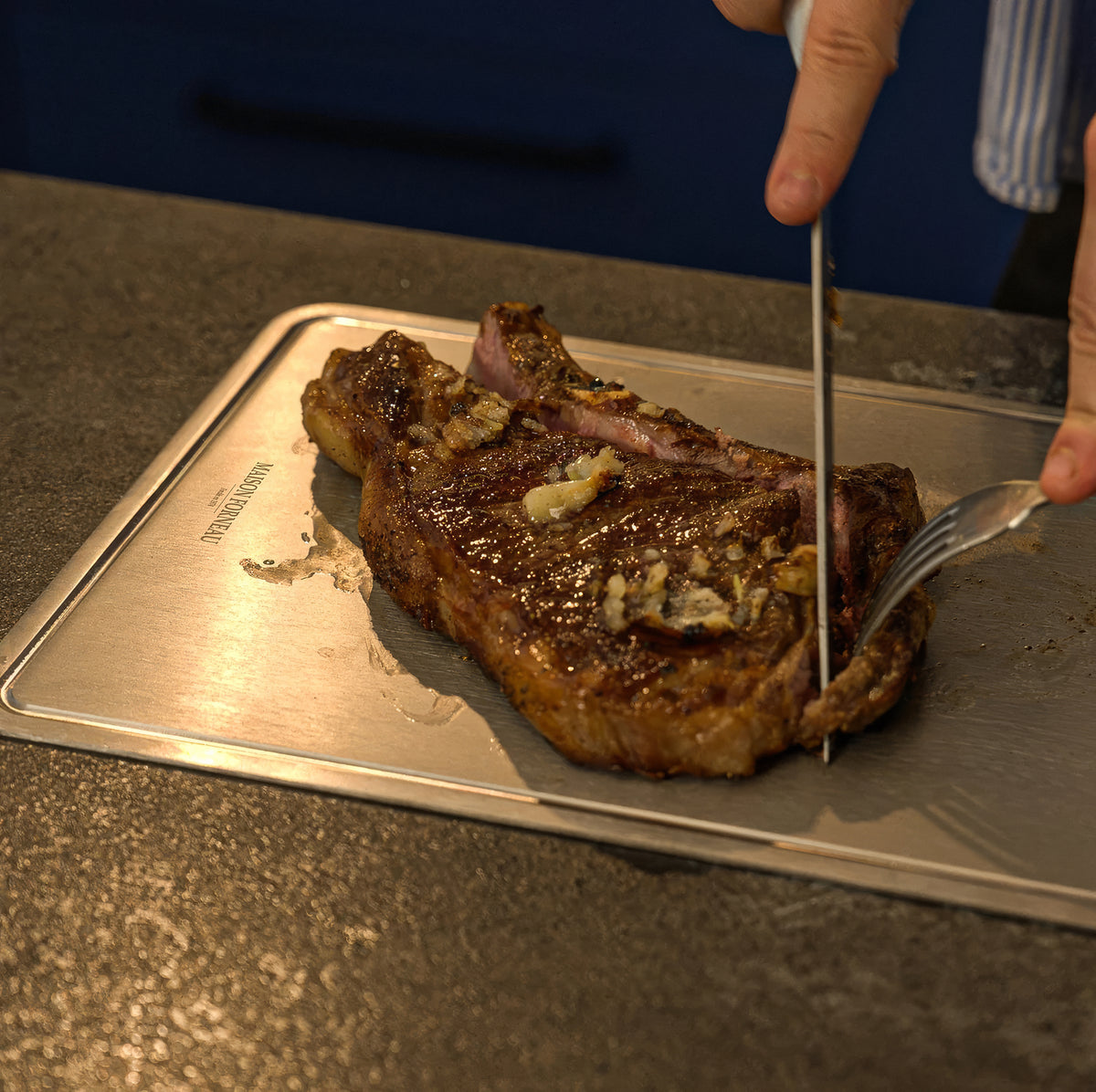
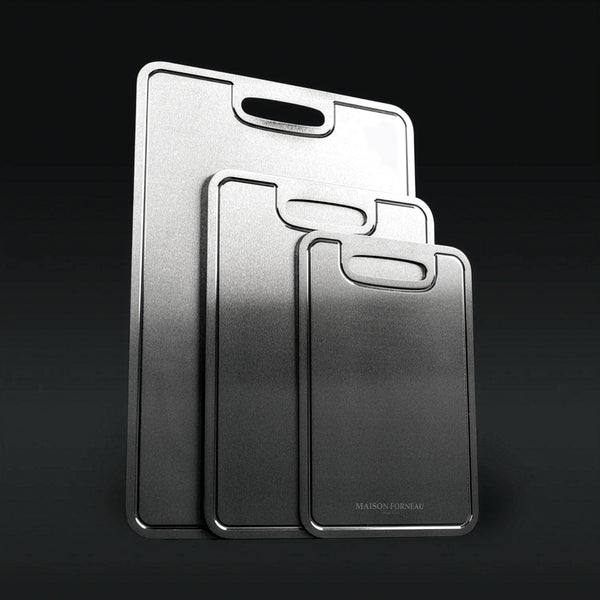
| Dishwasher safe | Not recommended long-term | Not recommended | Hand wash recommended for pans; titanium cutting board is dishwasher safe |
| Warranty | Lifetime warranty, disputed coating claims | Limited warranty | Lifetime warranty |
| Known issue raised by buyers | 2023 class action over non-toxic claims | Nonstick effectiveness fades with use | Requires preheating and oil for best release |
What users are saying on Reddit and cookware forums
The recurring theme across r/BuyItForLife and cooking forums isn't brand loyalty, it's fatigue. People describe buying "non-toxic" cookware, trusting the label, and then watching the coating flake, peel, or quietly stop working within a year or two.
- « The nonstick coating is already flaking off in chunks » — a common complaint about PTFE and ceramic coatings after heavy use.
- « My pans started peeling despite light use » — ceramic and hybrid coatings failing well before their advertised lifespan.
- « "non toxic" is marketing category that needs to be backed up by actual third-party testing » — growing skepticism toward unverified claims.
- « I spent nearly $1,000 on HexClad cookware because of their lifetime durability and non-toxic claims... Now others are failing again » — buyers feeling let down by premium pricing paired with coating wear.
The common thread: buyers increasingly want to know exactly what the cooking surface is made of, not just what the marketing calls it. That's also why questions like titanium vs stainless steel keep coming up: people are trying to separate real material differences from branding.
Which to choose depending on how you cook
If you cook daily and want one pan that doesn't need babysitting or eventual replacement, a solid titanium surface removes the coating question entirely, since there's no coating to wear out in the first place. If you're on induction, both HexClad and Forneau titanium pans work; most Our Place ceramic pans do not, which is worth checking before buying. For oven use, check the handle material on any option, as coated nonstick pans often have lower oven temperature limits than bare metal.
For everyday searing, eggs, and high-heat cooking where durability matters more than an out-of-the-box nonstick glide, titanium is the material built to last rather than fade. Browse the full titanium pan collection to compare sizes and shapes.
Frequently asked questions
Does HexClad contain PTFE despite being called "hybrid"?
Yes. HexClad's nonstick layer is PTFE-based, reinforced with ceramic and titanium particles on a laser-etched stainless surface. The "hybrid" and "titanium" branding refers to this particle reinforcement, not a titanium cooking surface.
Does the Our Place ceramic pan lose its nonstick effect over time?
Ceramic coatings, including the one used on the Always Pan, are known to lose release performance with heat cycling and regular use. This is a documented limitation of ceramic nonstick coatings in general, not unique to one brand.
Is pure titanium more durable than a ceramic or hybrid coating?
Pure grade 1 titanium is a solid metal layer, not a coating, so there's nothing to flake, peel, or wear away over time. Ceramic and hybrid PTFE coatings are applied layers that degrade with heat and use, which is why they eventually need replacing.
Which pan should I choose if I cook daily on induction?
Forneau titanium pans and HexClad are both induction compatible thanks to their stainless steel base. Most Our Place ceramic pans are not built for induction, so check compatibility before buying if that's your cooktop.
Do titanium pans scratch?
Yes, titanium is a metal and it scratches with use, just like stainless steel. The difference is that scratches on a solid titanium surface are cosmetic and don't expose or release anything, unlike a scratched coating that signals the nonstick layer is failing.
Was there an actual lawsuit against HexClad?
Yes, HexClad faced a class action in 2023 over claims it marketed its cookware as "non-toxic" and "metal utensil safe." The case settled with HexClad agreeing to pay into a settlement fund, without admitting wrongdoing.
