


















Fact-checked: composition and sources on our Facts & evidence page.
- 4.9/5 from over 5,000 reviews
- Lifetime warranty
- Ships within 48 h
- Free shipping
Teflon is PTFE, a molecule from the PFAS family. We sort through ceramic, stainless steel, cast iron, and titanium to find a truly coating-free pan that actually lasts.
The 30-second summary
- Teflon is PTFE, a molecule from the PFAS family that many people now want to avoid
- Ceramic is PFAS-free but loses its non-stick effect after a few months of use
- Stainless steel, cast iron, and carbon steel work without any coating but require seasoning and effort
- The Forneau cooking surface is 100% pure grade 1 titanium, a solid layer, nothing to chip off
- Titanium scratches like any metal — it's purely cosmetic and releases nothing into food
Teflon is PTFE, a molecule from the PFAS family, the so-called "forever chemicals." Many people are now looking for a Teflon-free pan, but between ceramic, stainless steel, cast iron, and titanium, it's hard to know what actually delivers on its promises over time.
The 30-second summary
- Teflon is PTFE, a molecule that belongs to the PFAS family
- Ceramic is PFAS-free but loses its non-stick coating within a few months of heavy use
- Stainless steel, cast iron, and carbon steel work without a coating, but require seasoning
- Forneau pans have a 100% pure grade 1 titanium cooking surface, with nothing to chip away
- Titanium scratches, it's cosmetic, and it releases nothing into food
Table of contents
- What exactly is Teflon
- Ceramic: better, but not forever
- Stainless steel, cast iron, titanium: coating-free pans
- Changing habits: cooking well without Teflon
- What to check before buying
- Our recommendation
What exactly is Teflon
Teflon is the commercial name for PTFE (polytetrafluoroethylene), a non-stick coating that chemically belongs to the large PFAS family, the "forever chemicals." As one online commenter put it, "we're basically eating forever chemicals now" — it's this kind of nagging worry, often described as anxiety-inducing, that pushes more and more people to look for a pan that's both Teflon-free and PFAS-free.
PTFE itself is considered stable under normal conditions of use. But the real problem is wear and tear: "a simple scratch on a non-stick pan can release toxins," and over time, with cooking, steel wool, or repeated dishwasher cycles, the coating eventually breaks down. The result: "the coating is gone — more than 10 years of cooking and dishwashing wore it out." This isn't a manufacturing flaw; it's simply how any layer applied on top of a metal works. It's never permanent, no matter what the marketing says.
Good to know
Bare titanium needs a bit of preheating and some fat before it reaches its full non-stick effect. The scratches that appear over time are purely cosmetic and release nothing into food.
Good to know
Bare titanium needs a small adjustment at first: preheat the pan and add a bit of fat before putting food in it. In return, there's no coating to watch flake off over time.

Ceramic: better, but not forever
Sol-gel ceramic pans are often sold as the ultimate "healthy" solution: "I'm looking for non-stick pan coatings that are actually safe (PFAS-free)" is one of the most common questions out there. On paper, that's true: ceramic contains no PFAS, no PFOA, no PTFE.
But the issue remains the same as with Teflon: it's an applied layer, not a solid surface. With use, the non-stick effect fades, sometimes within just a few months of regular cooking. Eggs and fish start sticking again, and many people end up disappointed after spending money on a "healthy" pan that doesn't hold up: "I spent 50 bucks for nothing on a pan with very limited use." Ceramic is an honest step away from PFAS, but it's not a lasting solution if you're after a pan that truly stands the test of time.
Stainless steel, cast iron, titanium: coating-free pans
To avoid any applied layer altogether, you need materials that have no coating whatsoever. Each one has its own strengths and demands:
| Material | Non-stick without fat | Weight | Maintenance | Durability |
|---|---|---|---|---|
| Stainless steel | No, requires technique | Medium to heavy | Simple, often dishwasher-safe | Lasts a very long time |
| Cast iron | No, requires seasoning | Very heavy | Dry, lightly oil | Indestructible |
| Carbon steel | No, requires seasoning | Medium | Same as cast iron | Very resistant |
| Titanium (100% pure surface) | Yes, with a little fat | Ultra-light | Lifetime warranty | Dishwasher-safe |
Stainless steel is the classic choice: "we got rid of all our pans and switched to stainless steel — no regrets!" sums up the enthusiasm well. But without the right technique, things stick: "our stainless steel pan sticks like crazy" is a recurring complaint. You need to preheat properly and use the right amount of fat.
Cast iron and carbon steel require seasoning — building up a thin natural layer of polymerized fat on the metal: "seasoning my de Buyer pan... I honestly can't tell if I'm doing it right" shows just how much of a learning curve is involved. Once seasoned, these pans are nearly indestructible, but heavy: "they're so much heavier!" which can be a real hassle day to day.
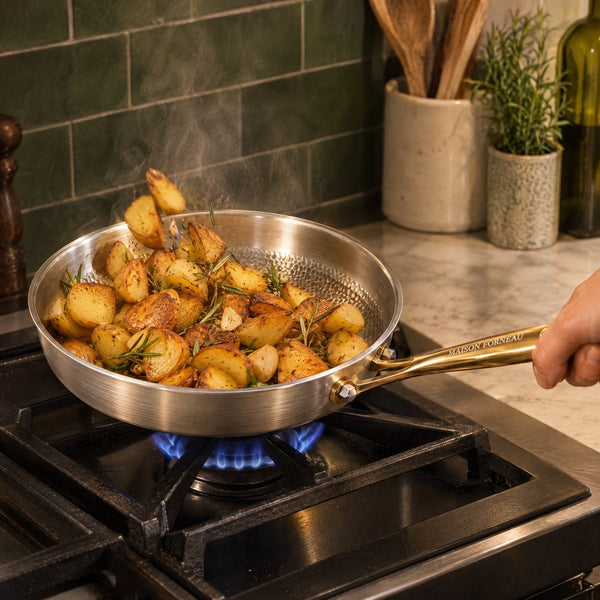
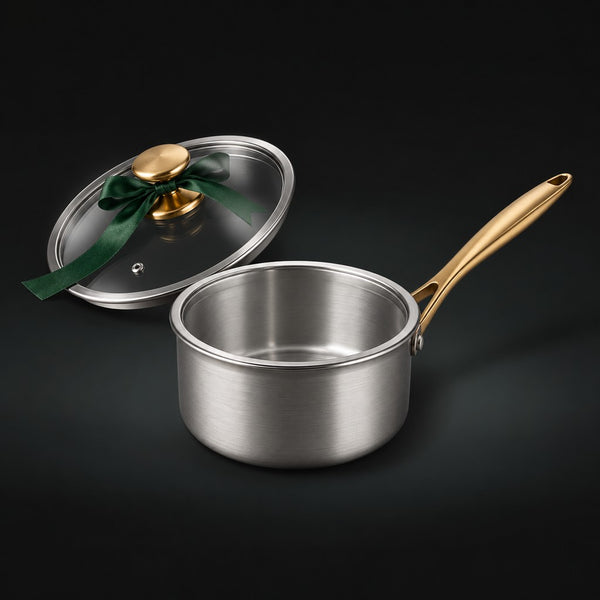
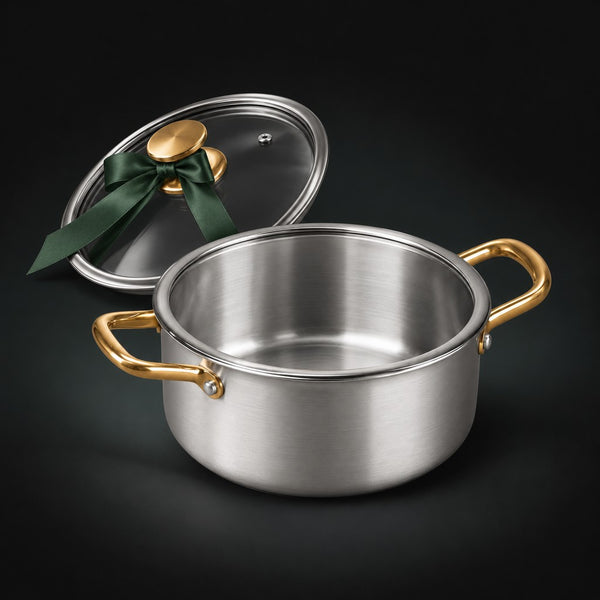
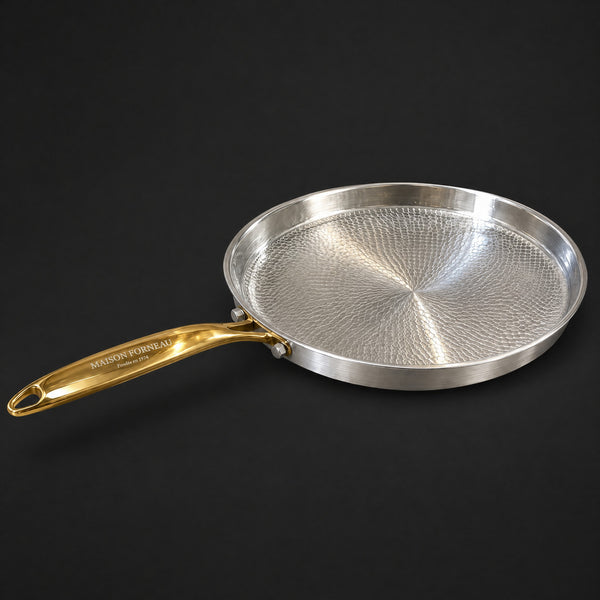
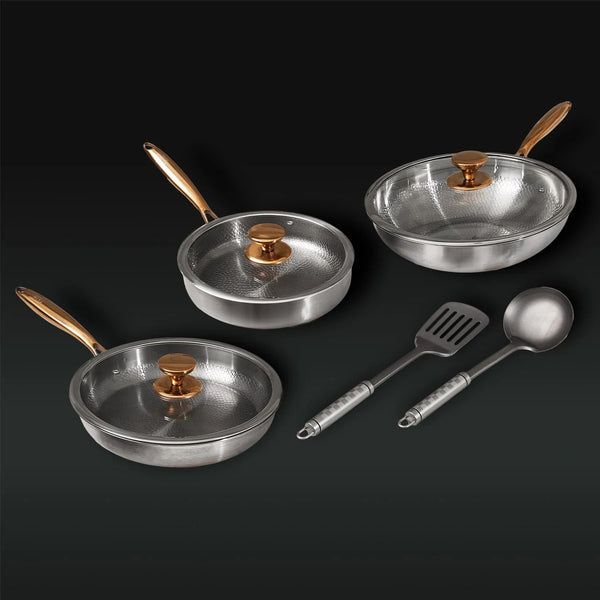
Titanium occupies a category of its own. At Forneau, the cooking surface is 100% pure grade 1 titanium: a solid layer, not a coating applied over another metal. There's nothing to chip off, no PFAS, no PFOA, no PTFE. Beneath that surface, three recycled aluminum cores spread the heat, and a stainless steel base makes the pan induction-compatible. The whole thing stays ultra-light, far from the weight of thick cast iron or heavy stainless steel.
It's worth being upfront: titanium scratches, like any metal. That's not a flaw or a sign of dangerous wear — it's purely cosmetic, and it releases nothing into food. To dig deeper into this, head to our titanium pan guide.
"Can we even make non-stick pans without PFAS? Genuine question"
"Can we even make non-stick pans without PFAS? Genuine question"
Changing habits: cooking well without Teflon
Giving up Teflon means accepting that part of the non-stick effect now comes from technique, not a chemical layer. A few habits make all the difference:
- Always preheat the pan before adding fat or food
- Use enough fat, especially for eggs and fish
- Wait for the food to release on its own before flipping it: "when it releases on its own, that's when I flip it"
- For cast iron and carbon steel: season regularly and dry thoroughly after washing
- For titanium: preheating and a drizzle of fat is enough, with no seasoning to redo constantly
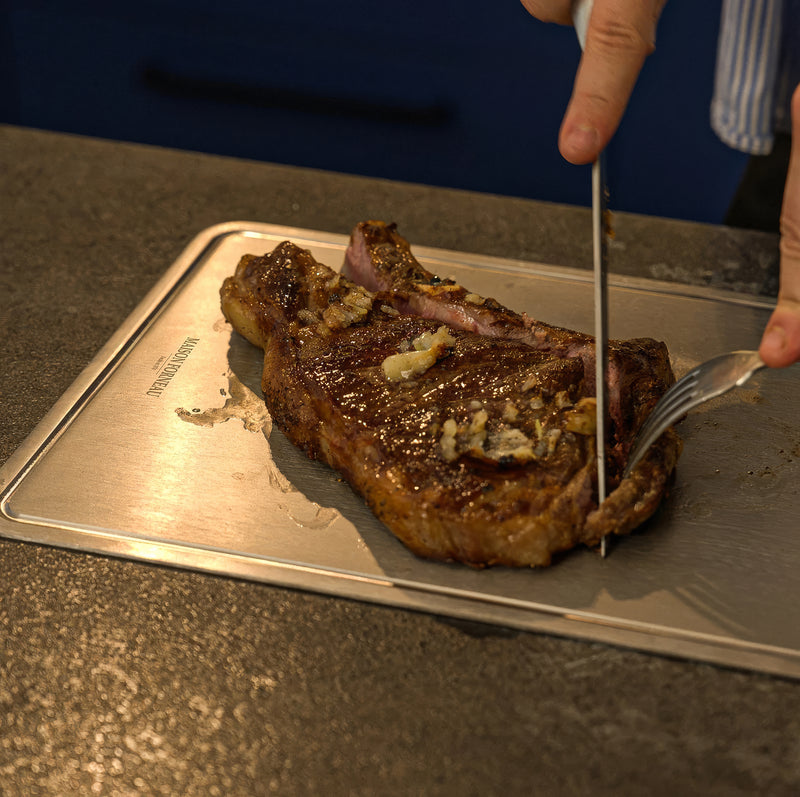
There really is a "knack to it," as many users say when they first switch. The first few cooks might stick a bit, and that's normal. After a few tries, you quickly find the right technique and temperature, and results improve noticeably — plus you get a great Maillard crust on well-seared meat.
What to check before buying
Not all pans labeled "PFAS-free" are equal. Many people share this exact doubt: "I have a doubt about the PFAS-free coating — maybe it's just another similar compound?" Here's what to actually check:
- The exact nature of the cooking surface: a solid layer of metal, or a coating applied on top?
- Independent testing: certifications and lab analyses (like SGS) are worth more than marketing promises
- Induction compatibility: essential if that's the type of stovetop at home
- Everyday weight: cast iron lasts forever but feels heavy in the hand
- A real warranty: a lifetime warranty that's actually honored, not just advertised, is the true sign of trust — some report the opposite: "Cookut refuses to honor the warranty"
To dig deeper into the evidence and sources on PFAS and titanium, head to our facts and evidence page and the article coating-free pans: titanium as an alternative.
Our recommendation
Truly moving away from Teflon isn't just about avoiding PFAS on the label — it's about avoiding the underlying problem: a layer that always ends up chipping away. Ceramic is an honest step, but it loses its non-stick effect within a few months. Stainless steel and cast iron have been proven for generations, but they demand weight and a technical learning curve that not everyone wants to take on every day.
The Forneau Signature pan is the only one in this comparison with a 100% pure grade 1 titanium cooking surface: a solid layer, tested PFAS-free by SGS, backed by a lifetime warranty. No coating that can peel off, because there is no coating — just titanium, from start to finish of the cooking surface. Designed in France, for anyone who wants to buy a pan once and for all, without having to replace it in five years. Discover the Signature pure titanium pan.
Frequently asked questions
Which pan is Teflon-free?
Any pan without a non-stick coating is automatically Teflon-free. That includes stainless steel, cast iron, carbon steel, and pans with a pure titanium cooking surface, like Forneau's.
Is ceramic a good alternative to Teflon?
Ceramic is PFAS-free, but it's not a lasting solution. Its non-stick effect often fades after a few months of regular use, since it too is an applied layer that eventually wears out.
Does Teflon contain PFAS?
Yes. Teflon is the commercial name for PTFE, a fluorinated molecule that belongs to the large PFAS family. That's exactly why so many people are now looking for truly PFAS-free alternatives.
Which pan has no harmful substances?
Uncoated pans made of stainless steel, cast iron, or pure titanium contain no PFAS, no PFOA, no PTFE. At Forneau, the cooking surface is pure grade 1 titanium, with no coating added at all.
Does a titanium pan scratch?
Yes, titanium is a metal and scratches like any metal surface. These scratches are purely cosmetic and release nothing harmful: the pan remains perfectly usable.
Do you need to use fat in a titanium pan?
Yes, to get a good non-stick effect, you need to preheat the pan and use a bit of oil or butter. That's the only real trade-off compared to a coated pan.
